

Garment export house is a manufacturing company, that is formed primarily to manufacture garments and exports the manufactured goods to the other countries. For the apparel and fashion brands they garment suppliers.
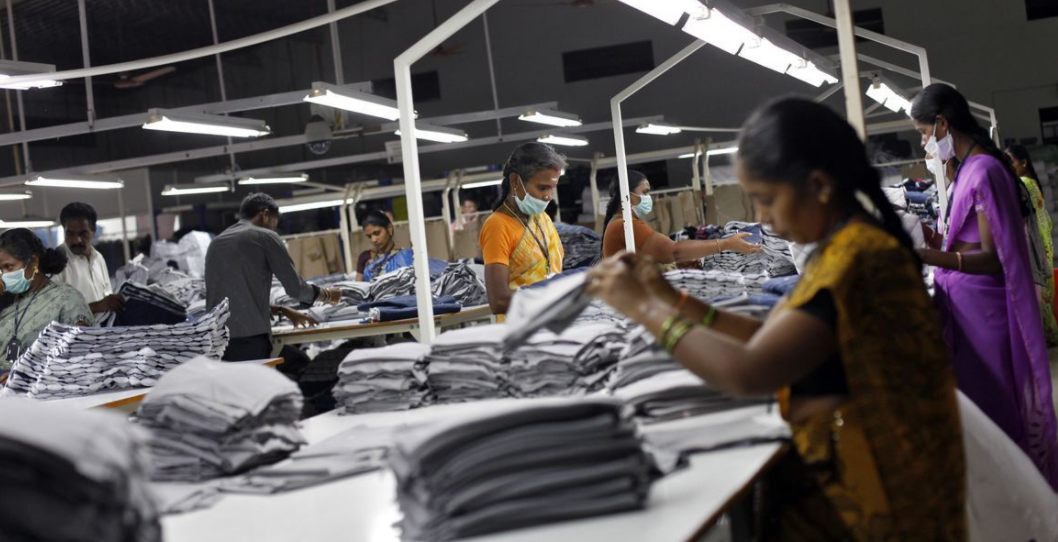
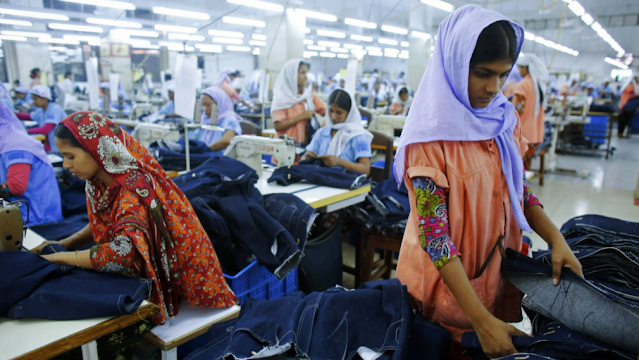
In an export house, most work forces are sewing tailors and helpers. Export house has small number of staff compared to total number of workers. Export order processing is carried out through various processes. Work is divided within different departments and each department works on the responsible jobs.
Total processes are divided into two categories – pre-production process and production process.
Working procedure in sampling (Pre-production)
Pre-production activities involve sample making, development of print and embroidery design, sourcing of fabric and trims and other item like packing accessories.
Everything is sent to buyer /local buying office for approvals. Development of pattern, grading of patterns etc. Merchandising department of an export house is responsible to look into pre-production activities.
Working procedure for production order
The working procedure of an export house completely depend on the resources available in a garment factory. Another factor that decides the working procedure is the product an export house makes in their factory. Here we have listed working procedures in a sequence.
- Receiving order from Buyer
- Style analysis
- Fabric sourcing
- Checking and testing of Fabric
- Make PP sample
- PP Sample approval
- PP Meeting (preproduction meeting)
- Production pilot run cutting
- Pilot run sewing and finishing
- Analysis of Pilot run garments
- Approval for bulk cutting
- Bulk cutting start – After the approval of PP sample and pilot production run, factory starts cutting fabrics in bulk. The cutting processes itself involve many sub-activities.
- Feeding cut components to sewing lines
- Stitching of garments
- Thread cutting
- Garment washing
- Finishing of garments
- Checking of garment prior to heat press and after pressing
- Folding and Packing
- Garment inspection by buyer representative (third party inspection)
- Shipping documentation and shipping approval from buyers
- Shipment dispatch.
Some production activities are outsourced by the garment export houses. Outsourced worked include panel printing, garment printing, Embroidery work, cut panel washing and garment washing.
You see the garment making in the export houses goes through a long chain. Sewing of garments is done in a line where number of operators works on the same garment.