


What is Pilling on Fabric?
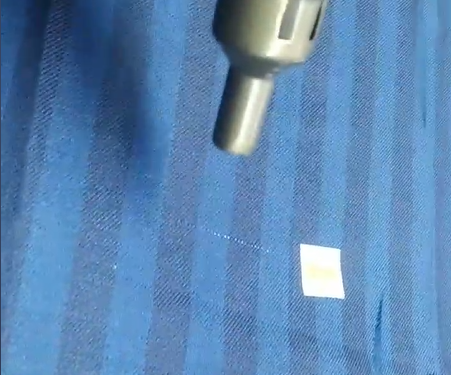
You might have seen tiny lint balls on your sweaters and bed sheets which are actually small knots of broken fibres. These knots, called pills and the state is called pilling on the fabric or the clothing article. The pilling can be formed on any fabric, but often appears when the fabric is a blend of different fibres or has a loose weave, like knit fabrics.
Fabrics that form pills faster on its surface after using it, are known to be inferior in quality. For consumers it is not possible to know if the cloth they are buying would look odd will lint balls after wearing it for a few days. To ensure brands sell quality apparel and textile items, pilling is one essential testing parameter for fabrics.
Let’s learn more about abrasion and pilling testing and testing machines.
What is a pilling test in textiles?
A pilling test is performed to measure and determine fabric quality in terms of how resistant fabrics are to pilling or fuzzing. It’s the same machine as the Martindale abrasion test but instead of the test fabric being rubbed against a standard abradant, the test fabric is rubbed against another piece of the same fabric.
All major third-party testing labs provide services for pilling testing. Textile mills and garment factories can also keep equipment for testing pilling formation on the fabrics they are manufacturing.
Martindale Abrasion and Pilling Tester
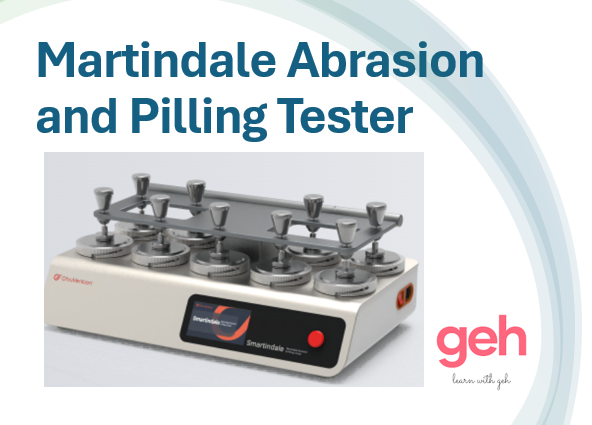
Martindale abrasion and pilling tester is used for fabric abrasion and pilling testing. It is also called the Martindale Rub Tester. It generates a Lissajous curve with a digital algorithm. It then drives the friction to achieve accurate running without calibration. You can switch test modes with one click. For example, from the abrasion test to the pilling testing. You can do it without changing the pins. You can also control the Martindale Tester from your smartphone. You can also see the test data on your phone. You can upload it to the ERP or LIMS for performing smart testing.
What kind of material can be tested using Martindale Abrasion Tester?
Martindale Abrasion Tester can test abrasion and pilling resistance. It can test cotton, linen, and silk fabrics. It tests woven fabrics. It can also test these properties for other textiles. This includes film, knits, woollens, fake leather, and gloves. It also includes synthetic leather and materials for labor protection.
What is the scale for the pilling test?
In the textile quality standards for pilling of fabric, pilling resistance is measured against a scale of 1-5 where 1 signifies severe pilling while 5 signifies no pilling. The higher the number, the more resilient the fabric is to be pilling.
The fabric is repeatedly rubbed together in a figure eight pattern, then compared to a collection of standardized images.
Learn more about abrasion testing method here: https://www.astm.org/d4966-22.html