

Skip to content
Garment Export House

Garment Export House

Learn with us

  • Textile
  • Quality Control
  • Production Management
  • Toggle search form
  • Top Garment Export Houses in Tirupur, Tamil Nadu, India Uncategorized
  • Export surplus garment sourcing in India Uncategorized
  • Adidas Partners With ThredUp To Launch Fashion Resale Programme Uncategorized
  • Industrial Sewing Machine Brands and Companies Directory
  • Abrasion and Pilling Testing for Textile Materials | Martindale Abrasion and Pilling Tester Uncategorized
  • OEKO-TEX® New Regulations 2025 Uncategorized
  • India: 41% increase in exports in textile sector in April-Dec 2021 compared to Apr-Dec 2020 Uncategorized
  • Full form of CMT in Garment Manufacturing Supply Chain Uncategorized

What is Shade Variation in Fabrics and Garments?

Posted on July 3, 2024July 8, 2026 By Admin No Comments on What is Shade Variation in Fabrics and Garments?
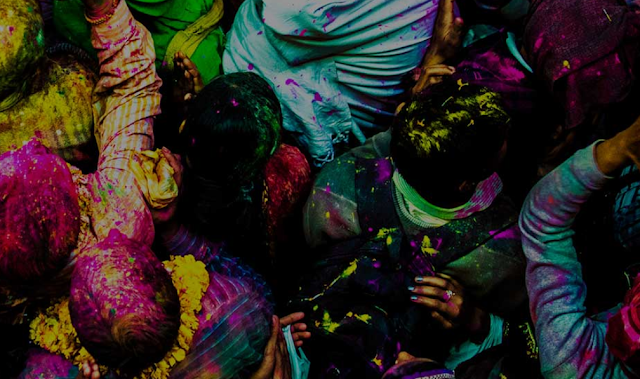
Shade variation

What is Shade? 

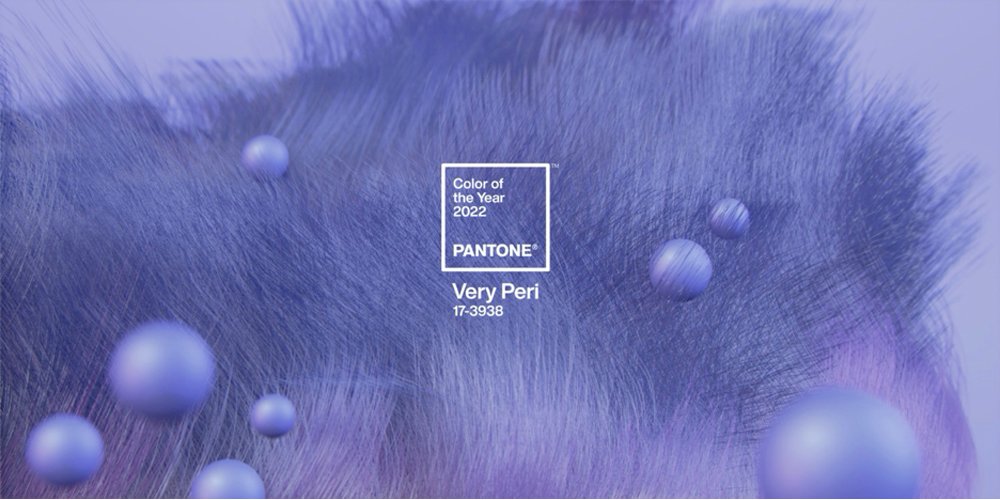
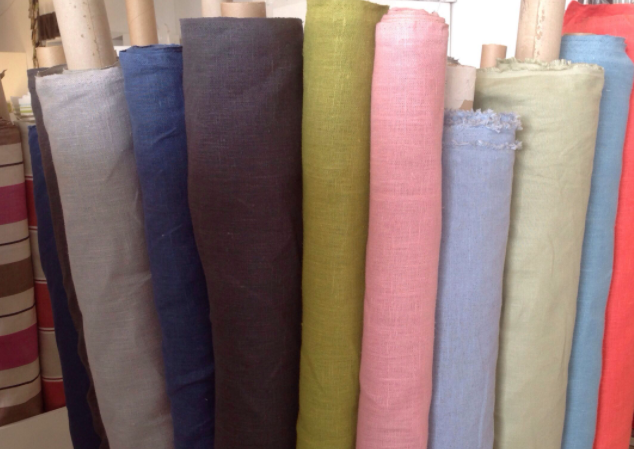
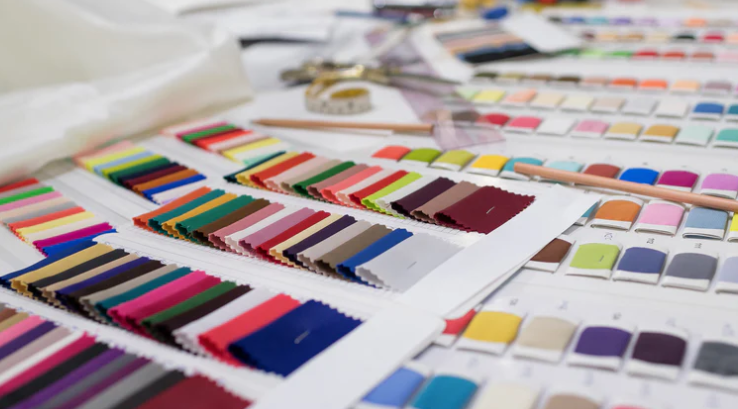
Different shades of any items are of the same color with variations in color tone and depth. In a single color, you can get many shades. To match the actual color and shade, fabrics sample is matched with the color standards (Pantone shade card). 

What is Shade Variation in Fabrics?

Fabric shade variation is the variation of shade or depth of color (hue) in same fabric roll. In dyed fabrics often shade variation is found. Shade variation may occur fabric selvage to selvage, selvage to center of fabric width. Shade variation can be at the one end of the fabric rolls to another end.

Shading or shade variation is considered as one critical problem in fabrics which may cause shade variation in garments. If the quality auditor found shade variation in garments, they may reject the shipment. 

As a result of shade variation,

  • Fabric consumption per garment may increase
  • There is possibility of having defective garment in the finished garment due to shade variation in garment components.

Shade variation in Garment and Clothing

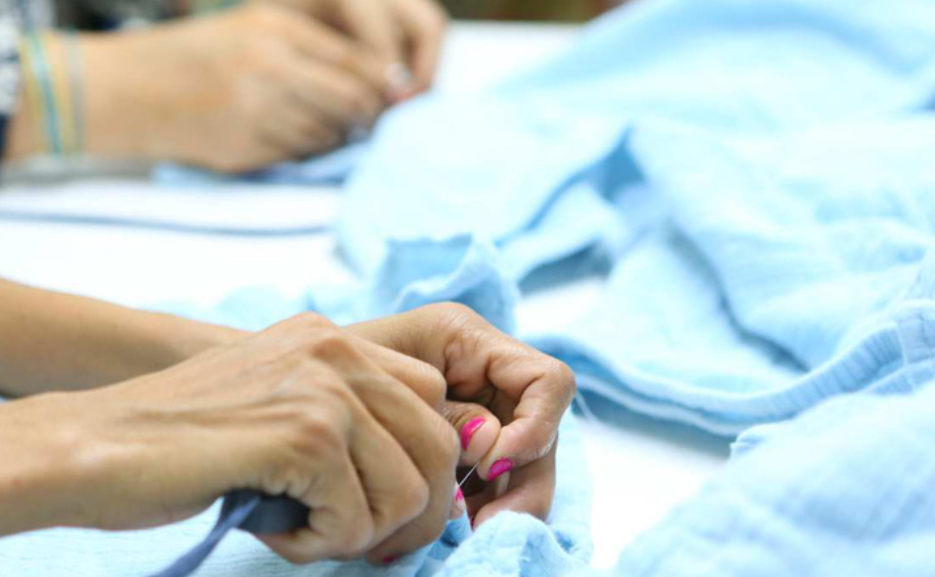
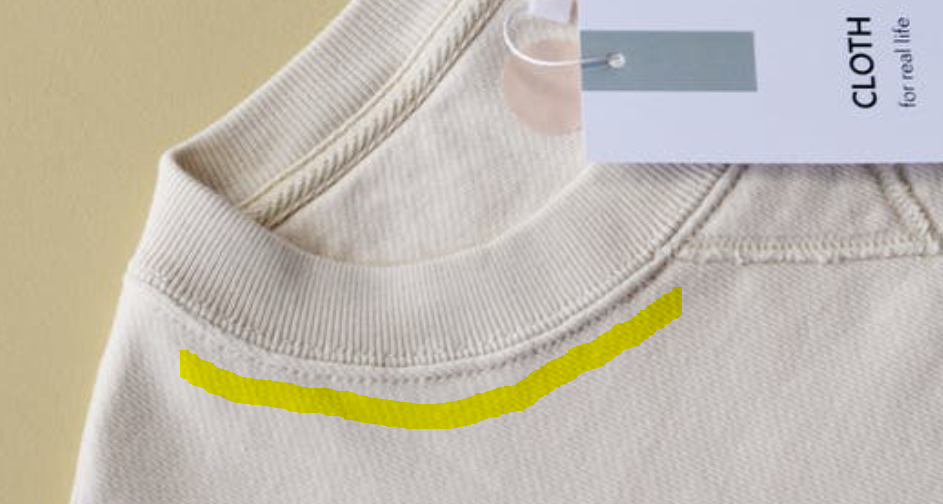
Garment are made by stitching number of fabric parts together. When shade variation is found in between garment parts, is called shade variation in garments. As mentioned above, garment manufacturing factories may receive fabric with varied shades of same color. 

If precaution is not taken in cutting department and sewing floor, fabric lot can mix easily and as a result you will garment with varied shade in between garment components. 

Solution of shade variation in garment manufacturing: 

Garment manufacturing factories use a standard practice to get rid of shade variation between different parts in a same garment. When shade variation is found that in the purchased fabric in between fabric lots, fabric checker prepares shade bands. Like shade band A, B, C, D etc. Different shade bands are marked and then sent to the buyers for buyer approval. 

Precaution 1: Once shade band of varied shades are approved by buyers, fabrics are issued for cutting. Different lots (shade of fabrics) are cut separately to avoid the shade mixing in garment components.
Still during shorting and bundling of garment parts caution is taken to avoid mix of fabric lots.

Precaution 2: After layer cutting, ply numbering is done to all component of the garments before bundling. Numbered stickers are attached to all garment parts to ensure that sewing operators stitch garment from same fabric layer. The numbering can be done using printed sticker or directly printing to the garment component on the edges. 

Precaution 3: After cutting process, cuttings (bundles) are sent to production floor. You can please for loading different fabric lots to different production line to avoid mixing parts on the production floor. 

Read more articles on the following topics:

Quality control 
Apparel merchandising 

Author

  • Admin
    Admin

    Admin user

Uncategorized Tags:Fabrics, Merchandising, Quality Control, Terms and Definitions

Post navigation

Previous Post: Garment Steamer and Its Uses in Finishing Clothing Items
Next Post: Popular Countries to Source Apparel and Textile Products From

Related Posts

  • OEKO-TEX® New Regulations 2025 Uncategorized
  • PUMA Breaks Performance Barriers with Lightest ever Jersey Featuring Ultrawave Technology Uncategorized
  • Functions of the Cutting Department in a Garment Industry Uncategorized
  • Export Promotion Councils In India (under Textile Ministry) Uncategorized
  • Full Form of GSP in Garment Export Business Uncategorized
  • Standard Fiber Launches New SmarTrak Global Order Tracking System Uncategorized

Leave a Reply Cancel reply

Your email address will not be published. Required fields are marked *

Latest Posts

  • 20 Types of Fashion Accessories: A Complete Guide
  • Top Garment Buyers in Bangladesh
  • Top 20 Garment Export Houses in India
  • Quality Control vs. Quality Assurance in the Garment Supply Chain
  • How a Custom Clothing Manufacturer Brings Your Designs to Life
  • Laguna Clothing’s New Factory in Bangalore, India Uncategorized
  • Fabric and Garment Testing Labs in India and Bangladesh Uncategorized
  • Pantone’s Fashion Colour Trend Report for Spring/Summer 2022 Uncategorized
  • Reliance Launches R.Elan, a Fashion Line Made of 100% PET Bottles Uncategorized
  • CEMATEX INTRODUCES ONLINE BUSINESS PLATFORM TO CONNECT GLOBAL TEXTILE COMMUNITY Uncategorized
  • Difference Between CMT and FOB in Garment Manufacturing Uncategorized
  • What is Bow and Skew in Fabric? Uncategorized
  • How to remove polyester yarn contamination from fabrics? Uncategorized
  • Directory

Disclaimer

Copyright © 2026 ocs.hostingersite.com.

Powered by PressBook News WordPress theme