
Skip to content
Garment Export House

Garment Export House

Learn with us

  • Textile
  • Quality Control
  • Production Management
  • Toggle search form
  • Functions of the Finishing Department in a Garment Factory Uncategorized
  • What is a Garment? Its Definition and Meaning Uncategorized
  • STITCH For RMG Global Innovation Challenge announces winners Uncategorized
  • What is RQS System and Responsibility of RQS Team Quality Control
  • Abrasion and Pilling Testing for Textile Materials | Martindale Abrasion and Pilling Tester Textile
  • Online Calculators for Garment Industry Professonals Uncategorized
  • T-shirt Printing Process for Bulk Production (Steps to Follow for Garment Export Orders) Uncategorized
  • What is PD in Fashion Designing? Uncategorized

Machine SPI in Garment Stitching

Posted on October 2, 2021July 10, 2026 By Admin No Comments on Machine SPI in Garment Stitching

What is Machine SPI in Garment Stitching?
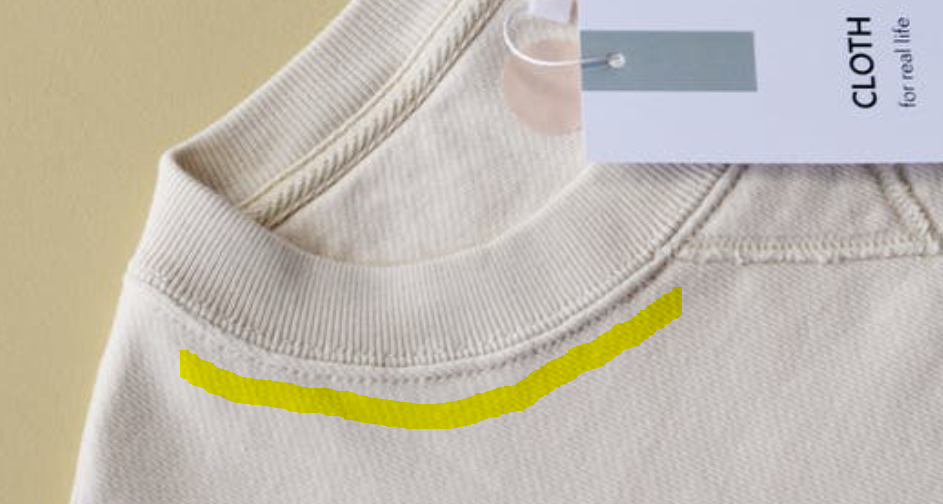
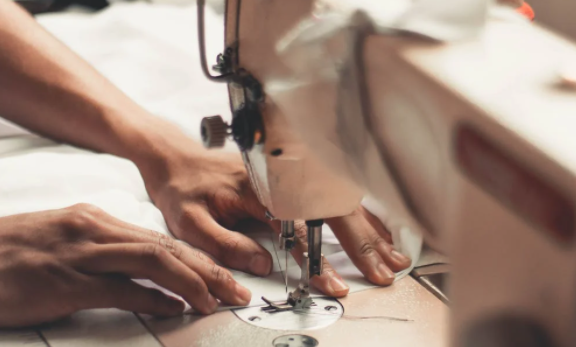
SPI stands for Stitch per Inch. This means the number of stitches formed in the one-inch length of the seam. An example of SPI count is shown in the following Figure. In the post, we will discuss the relation between the machine SPI and garment quality, and thread consumption. 
In the metric system, this term is called Stitch per Centimeter (SPC).
SPI in garment stitching

Image credit: pexel.com by Ron Lach

Standard SPI is used to sew a garment as the quality of the seam and strength of the seam depends on the number of stitches used per inch of seam.

In the garment tech pack, in the garment construction section, the buyer mentions the stitching SPI to be used for stitching each seam. In most cases, the whole garment is stitched using the same SPI. But sometimes, SPI may very for stitching different parts of the same garment. 

Garment suppliers (manufacturers) are supposed to follow the standard SPI in garment samples and bulk products.

SPI vs Thread consumption and stitching speed

SPI is considered one major garment quality parameter. Normally, 9-12 SPI are used in most of the garments (woven as well as knits). Consumption of sewing threads increases as SPI goes up. When the number of stitches increases in the same length of a seam, the loop formation increases as well which causes more consumption of thread. 

Another important factor is stitching speed – When you use less SPI and run the machine at the same speed for sewing a garment, the garment production rate per hour will increase.

SPI setting: 

In the traditional lock stitch machine, overlock sewing machines SPI set up is done using the SPI regulator. In the latest machine with a computerized control panel, SPI set-up /selection is easily done by selecting a suitable SPI number from the display screen. 


Related Full Form:


Question: What is the Full Form of SAM? 

Answer: SAM stands for Standard Allowed Minutes. This represents the minutes required to complete an operation. 

Question: What is the full form for SMV? 

Answer: SMV stands for Standard Minute Value. Learn more about SMV. 

Question: What is BOM? 

Answer: BOM stands for Bill of Materials. Learn more about BOM. 

Question: What is OB?

Answer: In the aspect of industrial Engineering in the garment manufacturing, OB stands for operation bulletin. 

Author

  • Admin
    Admin

    Admin user

Uncategorized Tags:Industrial Engineering, Sewing Machine

Post navigation

Previous Post: What are the job roles of a merchandise planner in garment retailing?
Next Post: What is UBT in Sewing Machine Categories for Garment Manufacturing

Related Posts

  • Why You Need IE Department in a Garment Factory? Uncategorized
  • Top Countries Exported Apparels to U.S. (By Quantity) in Year 2023 Uncategorized
  • What is Mending in Garment Repairing Process? Uncategorized
  • Apparel and fashion industry news websites and trade journals Uncategorized
  • Application of Pre-Determined Motion Time System to Develop a Standard Data System … Uncategorized
  • Color Fastness to Wash: Enhancing Fabric Durability and Appearance Uncategorized

Leave a Reply Cancel reply

Your email address will not be published. Required fields are marked *

Latest Posts

  • 20 Types of Fashion Accessories: A Complete Guide
  • Top Garment Buyers in Bangladesh
  • Top 20 Garment Export Houses in India
  • Quality Control vs. Quality Assurance in the Garment Supply Chain
  • How a Custom Clothing Manufacturer Brings Your Designs to Life

Banner ads

  • Textile industry update – India will be getting 7 mega textile parks Uncategorized
  • Garment Steamer and Its Uses in Finishing Clothing Items Finishing
  • T-shirt Printing Process for Bulk Production (Steps to Follow for Garment Export Orders) Uncategorized
  • Abrasion and Pilling Testing for Textile Materials | Martindale Abrasion and Pilling Tester Textile
  • Different Types of Caps and Hats Fashion Accessories
  • B2B Portals for Yarn and Textile Sourcing and Selling Uncategorized
  • Full Form of KPD in Fashion Industry Textile
  • Mimaki To Bring New Innovations And Application Opportunities To FESPA 2021 Uncategorized
  • Directory

Disclaimer

Copyright © 2026 ocs.hostingersite.com.

Powered by PressBook News WordPress theme