

Skip to content
Garment Export House

Garment Export House

Learn with us

  • Textile
  • Quality Control
  • Production Management
  • Toggle search form
  • What is RQS System and Responsibility of RQS Team Quality Control
  • What is AQL (Acceptable Quality Level)? Uncategorized
  • Top Countries Exported Apparels to U.S. (By Quantity) in Year 2023 Uncategorized
  • Lisa Donohue Appointed to Gap Inc. Board of Directors Uncategorized
  • India’s Shahi Exports Becomes the First Mill to Undergo a YESS Assessment Uncategorized
  • Does branded clothing companies use new fabrics? Uncategorized
  • What is PCD in Garment Industry? Uncategorized
  • Top Garment Buyers in Bangladesh Directory

Operators’ Incentive Scheme in the garment industry

Posted on October 5, 2021July 10, 2026 By Admin No Comments on Operators’ Incentive Scheme in the garment industry

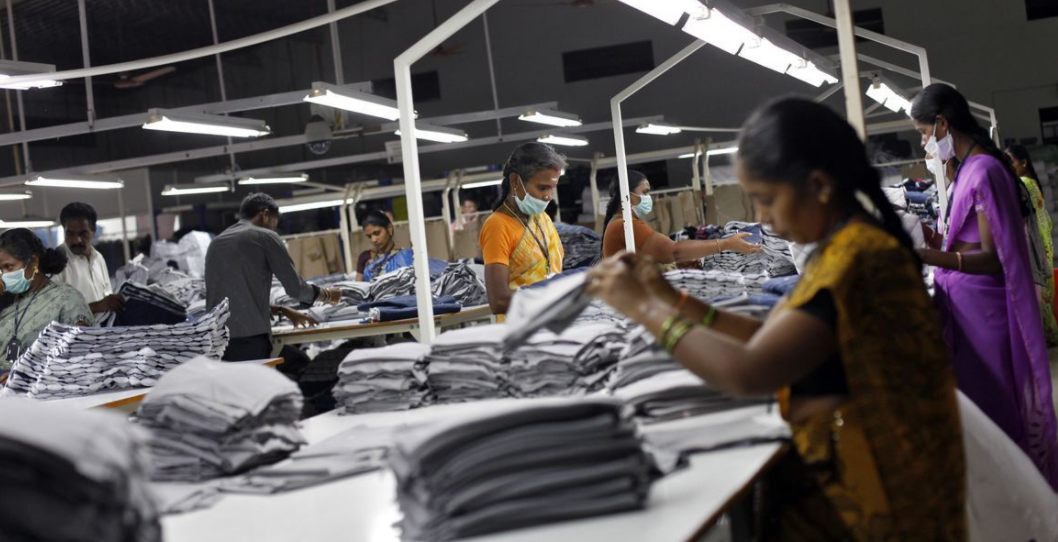
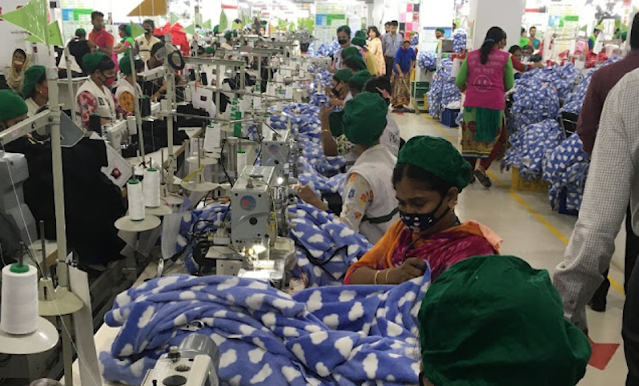
The garment manufacturing sector is a highly labor-intensive industry. Many found It hard to motivate shop floor workers and getting the target production.  

But there is a way.

Garment export houses find a way to keep their employees (sewing operators, helpers, checkers, and line supervisor.) happy as much as possible by giving them chance to increase their take home. You might be interested to learn how garment manufacturers do it. They provide performance incentives to their employees.
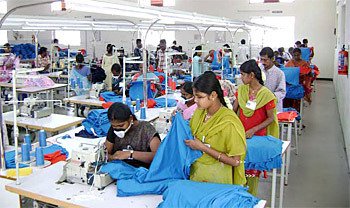
Garment factory incentive scheme

Image source: Indiamart.com

In this post, I will show common practices followed by garment manufacturers based on my experience.

Types of Incentives Schemes

1. Individual incentives: 

Operators are paid incentives based on their individual performance. Individual performance is measured in efficiency%. (Efficiency%=Produced minutes*100/Available minutes). 
To earn incentives operators need to achieve up to a certain efficiency percentage (called as target efficiency). Individual operator efficiency% to become eligible for earning incentive are different for different factories. Also, criteria for earning incentives per point of increment are different. For example, an export house gives an incentive after reaching 40% while other export house keeps minimum efficiency at 50% to earn an incentive.

2. Group incentives: 

In group incentive, line output is considered for calculating incentive for the line. Individual performance is not considered here. The aim is to increase line output. If line efficiency or line output reaches the target, all sewing operators get an equal amount of incentives.

3. Part individual and part group incentives: 

Garment manufacturers calculate the total incentive amount considering part amount based on individual performance and the rest amount from group performance.

4. Different incentive schemes for employee categories: 

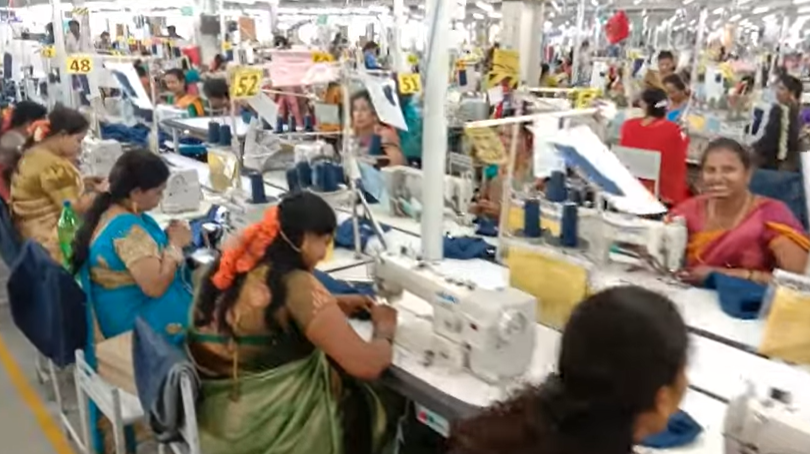
On a sewing floor, there are employees other than sewing operators. Like, line checkers, helpers, feeders, line supervisors. All these employees are included in the performance incentive scheme. As they are producing garments directly their individual performance can’t be measured. They are given incentives based on the line performance (i.e. based line output).

Distribution of incentive earnings:

Incentive money is distributed weekly or monthly basis. Daily earning of individuals are added together and monthly earning is calculated. Or incentive amount is set based on weekly average performance level. As per my opinion, the weekly distribution of incentive amounts is more effective.

Conditions applied while providing incentives

To earn an incentive operator need to attend a minimum of days in a month (or in a week). Operators need to work minimum hours in a defined period to earn incentives. 
Did you like this article? Please share.
More reading:
1. Incentive scheme in apparel manufacturing
2. Operator’s performance incentive system in garment manufacturing 

Author

  • Admin
    Admin

    Admin user

Uncategorized Tags:Garment Industry, Industrial Engineering

Post navigation

Previous Post: What is Basic Block in Garment Pattern Making?
Next Post: T&A Calendar for Apparel Merchandisers

Related Posts

  • Export surplus garment sourcing in India Uncategorized
  • Gartex Texprocess India, New Delhi 2024 | 01 -03 August Uncategorized
  • How to convert fabric yields by various widths? Uncategorized
  • What is the Full Form of PO in Garment Business? Uncategorized
  • Do the Size of Formal Shirt and T-shirt is Same or Different? Uncategorized
  • List of Garment Export Houses in Bangalore, India Uncategorized

Leave a Reply Cancel reply

Your email address will not be published. Required fields are marked *

Latest Posts

  • 20 Types of Fashion Accessories: A Complete Guide
  • Top Garment Buyers in Bangladesh
  • Top 20 Garment Export Houses in India
  • Quality Control vs. Quality Assurance in the Garment Supply Chain
  • How a Custom Clothing Manufacturer Brings Your Designs to Life

  • Attendance Bonus System in the Garment Industry Uncategorized
  • Garment Export House Departments and Their Functions Uncategorized
  • Full Form of BOM in Garment Industry Uncategorized
  • Full form of CMT in Garment Manufacturing Supply Chain Industrial Engineering
  • Standard Fiber Launches New SmarTrak Global Order Tracking System Uncategorized
  • List of Machines and Equipment Used in Garment Manufacturing Uncategorized
  • What is a Garment? Its Definition and Meaning Uncategorized
  • What is the Full Form of IE in Garments? Industrial Engineering
  • Directory

Disclaimer

Copyright © 2026 ocs.hostingersite.com.

Powered by PressBook News WordPress theme